
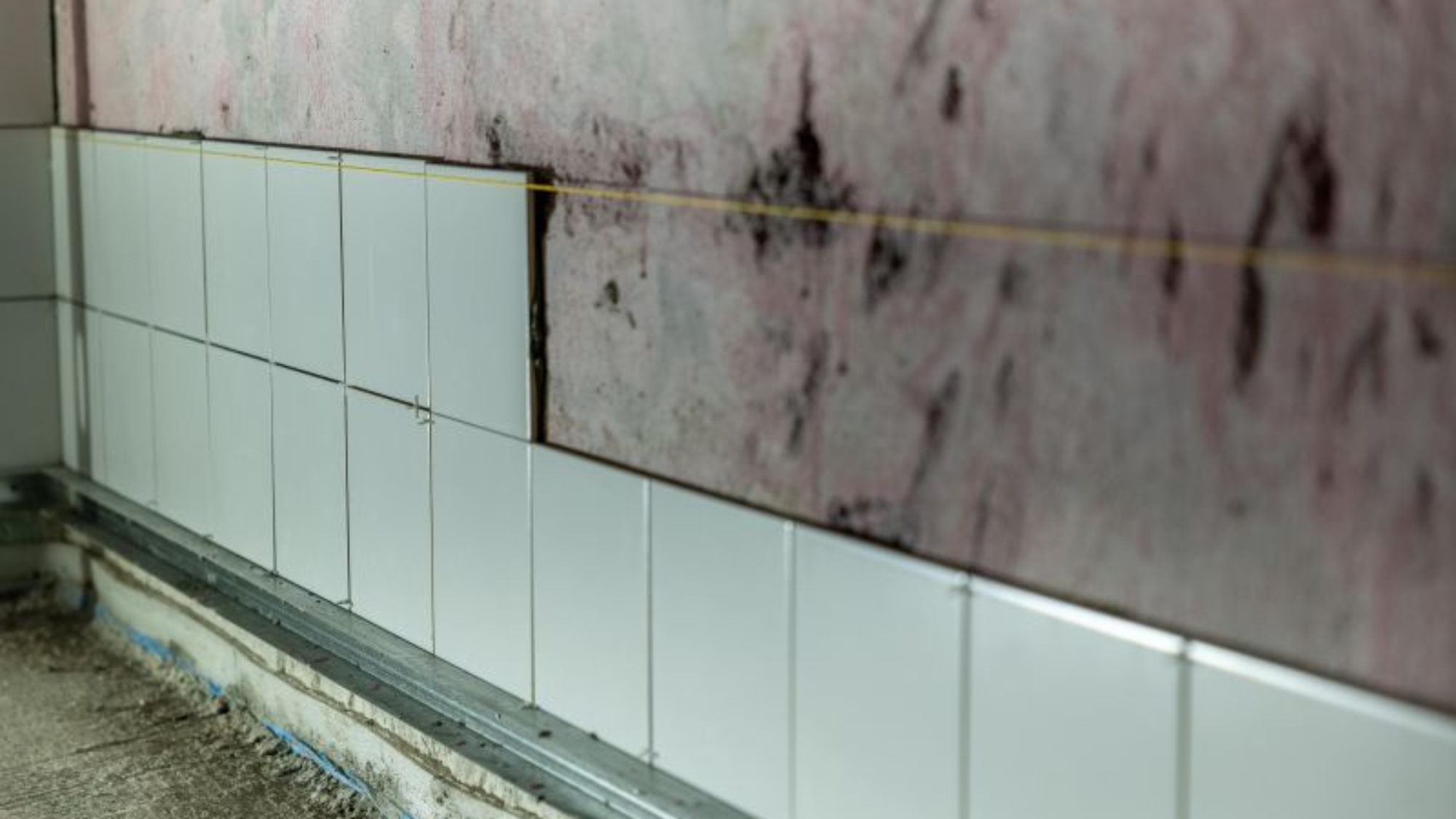
Mould shows up faster in a Darwin bathroom than almost anywhere else in Australia, and there’s a simple reason for it: from November to April, the air itself is already carrying more moisture than your bathroom can get rid of. Add a hot shower, a closed door and a fan that barely runs, and you’ve built a small, warm, damp room that never quite dries out between uses. That’s the environment mould needs, and it’s exactly what a Top End wet season delivers on repeat.
This isn’t about anyone doing something wrong. It’s about ordinary bathroom habits meeting genuinely tough conditions. Here’s why it happens, and what actually makes a difference.
Why Does Mould Grow So Fast in Darwin Bathrooms During the Wet Season?
Mould in bathroom Darwin wet season cases spike because outdoor humidity regularly sits above 70–80% from November through April, so bathrooms have far less capacity to dry between showers than they would in the dry season, when humidity drops to around 60%. Warm, damp surfaces that stay wet for hours instead of minutes give mould spores — which are already present in the air almost everywhere — the conditions they need to establish and spread.
That’s the short version. The longer version involves a handful of everyday factors stacking on top of each other.
Darwin’s Climate Is Doing a Lot of the Work
Darwin only really has two seasons, and the wet one is dramatic. Humidity climbs well past 70%, rainfall is heaviest in January, and even the air outside your bathroom window is holding more moisture than it can release. In the dry season, a bathroom gets a chance to breathe — window open, drier air moving through, surfaces drying within an hour or two. In the wet season, that natural drying assistance mostly disappears. Whatever moisture your shower puts into the room during the wet has to be dealt with mechanically, because the atmosphere isn’t going to help.
This is the backdrop for everything else on this list. None of the following causes are unique to Darwin, but they all become more serious when the surrounding air is already saturated.
Poor Ventilation Makes the Problem Worse
A bathroom exhaust fan exists to pull moist air out before it settles on walls, ceilings and grout. Plenty of Darwin bathrooms have one that’s undersized for the room, poorly ducted, or simply switched off out of habit because it’s noisy. Others rely on a window that can’t be left open during heavy rain.
If the fan only runs during the shower itself, it’s not doing its full job. Moisture keeps lifting off wet surfaces for a while afterwards, so a fan that switches off the second the water does leaves the room to steam-dry itself slowly, mould included.
Condensation and Surfaces That Stay Damp
Bathroom mould doesn’t need standing water. It needs a damp surface and enough time. Condensation on tiles, mirrors, ceilings and window frames is often the actual source of a mould problem, not a leak. It settles into grout lines, into the top of silicone joints, into ceiling paint above the shower — anywhere air movement is weakest and moisture has time to sit rather than evaporate.
Small everyday habits add to this:
- Wet towels and shower curtains left bunched up instead of hung out to dry
- Bath mats that stay damp on the floor rather than being wrung out or hung
- Squeegeeing not becoming a habit after showers
- Doors left closed with no airflow after use
None of these cause mould on their own. Combined with wet-season humidity, they extend the time surfaces stay wet — which is the one thing mould actually needs.
Why Mould Keeps Coming Back Even After You Clean It
Why does mould keep coming back in my bathroom? Because cleaning removes the visible growth but rarely changes the conditions that allowed it to grow. Wipe mould off a grout line or silicone joint and it can reappear within weeks if the room is still staying damp for long periods after every shower. You’ve treated the symptom, not the cause.
This is also where it’s worth distinguishing between two different jobs. Mould control is about managing airflow, humidity and how quickly surfaces dry. Bathroom waterproofing in Darwin is about stopping water getting into places it shouldn’t — behind walls, under floors, into the structure. They’re related, but they’re not the same fix. A bathroom can be perfectly waterproofed and still grow mould on the surface if ventilation is poor. Equally, no amount of extra ventilation will fix mould that’s actually being fed by a hidden leak or a failed membrane.
When It’s a Leak or a Waterproofing Problem, Not Just Humidity
Cleaning stops working as an answer when mould keeps returning in the same spot, spreads beyond the areas that get wet during normal use, or shows up somewhere odd — a wall that backs onto the shower, a ceiling in the room below, skirting boards nowhere near the shower recess. That pattern usually points to moisture getting in from somewhere other than everyday shower use: a cracked tile, deteriorated grout, failed silicone, or a waterproofing membrane that’s no longer doing its job.
Signs worth taking seriously:
- Mould returning in the same location within a few weeks of cleaning
- Soft, spongy or lifting flooring near the shower or toilet
- Discoloured paint or bubbling on a wall adjoining the bathroom
- A musty smell that persists even with the fan running
- Mould appearing on surfaces that don’t get directly wet during a shower
If you’re seeing any of that, it’s worth having someone look at the ventilation, grout, silicone and membrane rather than just reaching for the mould spray again.
Where Renovation Comes Into It
Not every mould problem means a bathroom needs a renovation. In many cases, better ventilation and a consistent approach to keeping surfaces dry can make a noticeable difference. But when mould keeps returning despite good habits, or the bathroom has ageing grout, deteriorating silicone, poor ventilation or a layout that traps moisture, it’s worth looking at the room as a whole rather than repeatedly cleaning the same spots.
A renovation can be an opportunity to address several of those issues together — from improving ventilation and replacing tired finishes to checking waterproofing and reconsidering a layout that doesn’t allow the bathroom to dry properly.
This is where Itile Bathrooms NT can help. For homeowners and businesses in Darwin, the team can assess the bathroom as part of a renovation and look at practical considerations such as ventilation, waterproofing, layout and finishes. The goal isn’t to suggest a renovation when you don’t need one, but to help identify whether the bathroom itself is contributing to the recurring problem.
Practical Ways to Reduce Bathroom Mould
Bathroom mould prevention Darwin conditions require doesn’t need to be complicated, but it does need to be consistent, especially through the wet season.
- Run the exhaust fan during every shower and for 20–30 minutes afterwards
- Leave the bathroom door open when the room’s not in use, so air can actually move
- Squeegee shower glass and tiled walls after each use
- Hang towels and bath mats out to dry rather than leaving them bunched on the floor or a hook in the bathroom
- Wash towels and mats regularly — damp fabric is one of the easiest places for mould to establish
- Wipe down windowsills and frames where condensation tends to collect
- Check grout and silicone periodically for cracking, gaps or discolouration
- Clean visible mould promptly with a suitable bathroom cleaner, following the product’s safety directions
How to get rid of mould in bathroom Darwin wet season conditions create usually starts with these steps, but if mould reappears quickly despite doing all of this, the room itself — not your cleaning routine — is probably the issue.
Homes, Rentals and Commercial Bathrooms: A Few Differences
A family bathroom with one or two daily showers behaves differently to a rental property bathroom, where tenants may not always report early warning signs, or a commercial bathroom in an office, shop or hospitality venue, which can see dozens of uses a day with far less time between them for surfaces to dry. High-use commercial bathrooms often need mechanical ventilation running on a timer rather than a manual switch, simply because no one’s reliably turning it on and off between customers. Rental properties benefit from a quick ventilation and grout check between tenancies, since minor issues are easier to deal with early than after months of being unreported.
FAQs
Does Darwin have a wet and dry season?
Yes. Darwin’s wet season runs roughly November to April, bringing high humidity, monsoonal rain and storms, while the dry season from May to October is far less humid with little rainfall. This seasonal shift is a major reason bathroom mould is more common in the wet months.
Why do I keep getting mould in my bathroom?
Recurring mould almost always means surfaces are staying damp for too long after each use, usually due to weak ventilation or humid conditions. If it keeps returning despite regular cleaning, an underlying issue like poor airflow, deteriorated silicone or a hidden leak is often the real cause.
How do I get rid of mould in my bathroom during Darwin’s wet season?
Clean visible mould with a suitable bathroom cleaner following label directions, then focus on reducing how long surfaces stay wet — better ventilation, squeegeeing after showers, and drying towels and mats properly. Cleaning removes what’s visible; reducing moisture is what stops it coming back.
How do I stop mould from coming back in my bathroom?
Consistent ventilation is the biggest factor — running the exhaust fan during and after showers, and improving airflow generally. Beyond that, check grout and silicone periodically, since gaps and cracks let moisture sit against surfaces for longer than it should.
Is mould in the bathroom harmful?
For most people, minor bathroom mould is a maintenance issue rather than a serious health risk, but it can trigger symptoms like a stuffy nose, itchy eyes or wheezing in people who are sensitive to it, and can aggravate asthma. People with asthma, allergies or weakened immune systems should take mould more seriously and seek medical advice if they’re experiencing symptoms.
How common is mould in homes in Australia?
Damp and mould are common household issues across Australia, particularly in humid climates and poorly ventilated rooms like bathrooms. National asthma and health bodies regularly highlight it as one of the more frequently reported indoor air quality concerns in Australian homes.
If Your Bathroom Needs More Than a Clean
If mould keeps coming back no matter how often you clean it, or your bathroom’s ventilation, grout and waterproofing are showing their age, it’s worth getting an honest assessment rather than guessing. Itile Bathrooms NT can take a look at what’s actually going on and talk through whether it’s a ventilation fix or something bigger. Call +61 400 729 303 or get in touch here.
Add a Comment