
If your bathroom or shower grout is looking tired, the question usually isn’t whether something needs to be done — it’s whether regrouting will actually fix the problem, or whether the tiles themselves need to come up. In most cases, tiling vs regrouting comes down to one thing: the condition of what’s underneath the grout, not just how the grout looks on the surface.
Regrouting is the right call when the tiles are sound, well-adhered and free of cracks, and the problem is limited to old, cracked, stained or crumbling grout lines. Retiling becomes necessary when tiles are loose, cracked, drummy-sounding, or when there’s water damage or movement in the substrate underneath. Getting this distinction right saves homeowners from paying for a cosmetic fix that doesn’t address a structural one — or from ripping out tiles that didn’t need to go.
What Regrouting Actually Involves
Regrouting means removing the existing grout from between the tiles and replacing it with fresh grout. A tiler will typically use a grout saw, oscillating tool or angle grinder with a specialised blade to cut out the old material without damaging the tile edges, then clean the joints, apply new grout, and seal it if the product requires sealing.
It’s a surface-and-joint job. The tiles stay exactly where they are. This makes regrouting suitable for:
- Bathrooms and kitchens where tiles are still firmly fixed and undamaged
- Older Humpty Doo homes where the grout has simply aged, discoloured or worn thin over the years
- Situations where the layout, colour and tile choice are still fine, and only the joints need attention
- Floor tiles where grout has become patchy or has started to pit and crumble in high-traffic areas
If you need to regrout floor tile in a hallway or kitchen, the job is often quick, contained and far less disruptive than most homeowners expect, provided the tiles themselves have no cracks or hollow spots.
What Retiling Involves
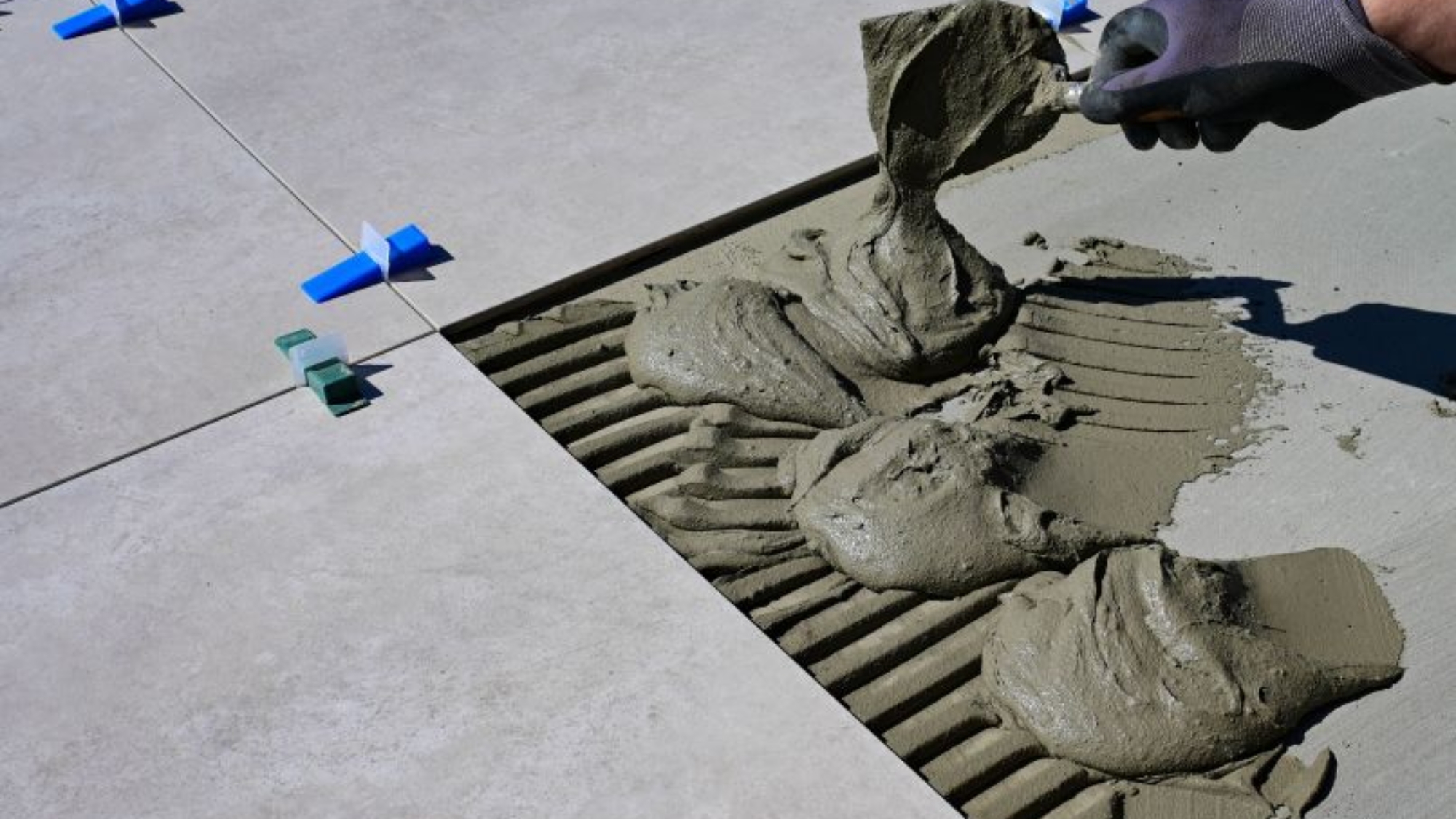
Retiling means removing the existing tiles, assessing (and if necessary repairing) the substrate underneath, and installing new tiles from scratch. It’s a bigger job because it deals with everything below the surface as well as above it — waterproofing membranes, the base layer, and any water damage that’s built up over time.
Retiling is the better option when:
- Tiles are cracked, chipped, or shifting underfoot
- Tapping the tiles produces a hollow or “drummy” sound, indicating they’ve come away from the adhesive underneath
- There’s visible water staining on the ceiling below a bathroom floor, or on skirting near a shower recess
- The waterproofing membrane has failed, which regrouting can never fix, since grout is not a waterproofing layer
- The homeowner wants to change the tile size, layout or style rather than just refresh the existing look
In Darwin’s climate, humidity and seasonal moisture can make existing bathroom problems more noticeable, particularly in older bathrooms where waterproofing systems may have deteriorated over time.
Cost, Disruption, Appearance and Durability Compared
The two options differ substantially across a few practical measures:
Cost. Regrouting is generally the cheaper option because it doesn’t involve removing and replacing tiles, adhesive, waterproofing or trims. Retiling costs more because it’s a full removal-and-reinstallation process, and costs increase further if the substrate needs repair.
Disruption. Regrouting a bathroom or shower can often be done with the space out of action for a short period. Retiling takes longer, particularly if waterproofing needs time to cure before new tiles go down, and a shower or bathroom may be unusable for several days.
Appearance. Fresh grout can dramatically lift the look of a room, especially if you switch to a different grout colour. Retiling gives you a completely new look, including the option to change tile size, pattern or finish.
Durability. New grout in an otherwise sound tiled surface can last for years with reasonable care. But if the underlying issue is loose tiles, movement, or failed waterproofing, regrouting only masks the problem temporarily — it doesn’t add strength or stop water getting where it shouldn’t.
Condition of existing tiles. This is the deciding factor. Sound tiles favour regrouting. Damaged, hollow or shifting tiles point to retiling, regardless of how the grout currently looks.
Signs Your Grout Needs Replacing
Grout naturally wears down over time, particularly in showers and on floors that see regular foot traffic. Common signs include:
- Grout that’s visibly cracked, crumbling or coming away in pieces
- Discolouration or staining that won’t lift with cleaning
- Grout lines that feel soft, powdery or gritty to the touch
- Mould or mildew building up repeatedly in the same joints
- Small gaps opening up along the edge of tiles
If these issues are isolated to the grout and the tiles themselves are stable, this is a strong candidate for a regrouting job rather than a full retile.
Signs the Underlying Tile or Surface Needs More Work
Some symptoms point to a bigger issue than surface grout:
- Tiles that sound hollow when tapped with a knuckle or the handle of a screwdriver
- Individual tiles that have cracked, chipped at the corners, or lifted slightly at the edges
- Water stains appearing on an adjoining wall, ceiling or skirting board
- A persistent musty smell in a bathroom or laundry that cleaning doesn’t resolve
- Tiles that feel loose or move slightly underfoot
Applying new grout over any of these problems won’t resolve them. Grout is not a structural material and it can’t compensate for tiles that have failed to bond properly, or for water finding its way behind a wall through a compromised membrane. In these cases, regrouting is effectively cosmetic — the underlying issue will keep resurfacing, often as new cracks or fresh water stains within a relatively short time.
Can Bathroom and Shower Tiles Be Regrouted?
Yes. Tiling and regrouting in shower areas is one of the most common jobs tilers are asked to do, since shower grout takes the most punishment from water, soap residue and temperature changes. Provided the tiles are intact, well-adhered and the waterproofing behind them is sound, regrouting a shower recess is a practical way to refresh the space and reduce mould without a full renovation. The key check beforehand is confirming there’s no water getting past the tiles into the wall cavity, since that’s a waterproofing issue no amount of new grout will solve.
Is Regrouting Worth It?
Is regrouting worth it depends entirely on what’s causing the problem you’re trying to solve. If your tiles are structurally fine and it’s just the grout letting the room down, regrouting is a cost-effective way to improve appearance and hygiene without the cost or disruption of retiling. Looking at regrout tile before and after photos can give you a good idea of how much fresh grout can change the appearance of a bathroom.
Where regrouting stops being worthwhile is when it’s used to paper over a deeper problem. If tiles are loose, cracked or the waterproofing has failed, regrouting delays a proper fix and can end up costing more overall once water damage has spread further into the substrate.
How to Decide: Regrouting or Retiling
A simple way to approach the decision:
- Check if tiles are cracked, chipped or loose — if yes, lean toward retiling.
- Tap several tiles across the surface and listen for hollow sounds — hollow patches suggest retiling.
- Look for water stains on walls, ceilings or skirting near the tiled area — this points to a waterproofing issue that needs proper investigation.
- If the tiles are sound and the only issue is the grout’s condition or colour, regrouting is likely sufficient.
- If you’re not confident reading these signs yourself, get someone experienced to check before spending money either way.
A professional assessment is worthwhile whenever there’s any doubt, particularly in wet areas like bathrooms and showers where a wrong call can mean water damage spreading behind walls unseen for months.
Getting the Right Advice for Your Humpty Doo Bathroom
Property owners across Humpty Doo and the wider Darwin area often find it hard to judge from the surface alone whether a bathroom needs a simple regrout or a full retile. Itile Bathrooms NT works through this assessment practically — checking tile condition, grout integrity and signs of moisture before recommending either option, rather than defaulting to the more expensive job or assuming a quick regrout will solve everything. Understanding local conditions, including how Darwin’s humidity affects older waterproofing membranes, is a useful part of getting that assessment right.
If you’re weighing up regrouting against retiling for your bathroom, shower or floor tiles, it’s worth getting an honest, on-site opinion before deciding. Contact Itile Bathrooms NT on 0400 729 303 or visit the contact page to arrange a time to discuss your bathroom renovation or tiling requirements.
Frequently Asked Questions
Is it cheaper to regrout or retile?
Regrouting is almost always cheaper than retiling, since it only involves removing and replacing the grout lines rather than the tiles, adhesive and waterproofing beneath them. Retiling costs more because it’s a full removal-and-reinstallation job, and the price rises further if the substrate or membrane needs repair work as well.
When should you regrout instead of retile?
Regrout when the tiles themselves are intact, firmly bonded and free of cracks, and the only issue is grout that has aged, discoloured, cracked or started crumbling. If tapping the tiles produces a hollow sound, or there’s visible water damage nearby, retiling is the more appropriate option instead.
Can you regrout bathroom and shower tiles?
Yes, shower and bathroom tiles can be regrouted provided the tiles are sound and the waterproofing behind them hasn’t failed. It’s a common way to refresh a wet area and reduce mould buildup. Checking for water penetration behind the tiles first is important, since regrouting won’t fix a waterproofing problem.
Is regrouting tiles worth it?
It’s worth it when tiles are structurally fine and grout condition or appearance is the main issue, offering a cost-effective refresh. It’s not worth it if used to mask cracked tiles, movement or failed waterproofing, since those problems will resurface and may cost more to fix later.
Add a Comment