failed bathroom waterproofing

Only One Bathroom and the Waterproofing Has Failed? How to Get Through the Renovation in Darwin

You’ve found out the waterproofing has gone, and the first thing you think about is where everyone is going to shower. It’s a fair worry. When it’s your only bathroom, the renovation affects how the whole house runs, not just one room.

The Short Answer

Most households manage by setting up temporary arrangements for the weeks the bathroom is out of action: showering at a gym, pool or a friend’s or relative’s place, using a portable toilet or a neighbour’s, or staying elsewhere for the worst of it. Exactly how long you’re without a bathroom depends on the condition of the room, the materials, any approvals and how the trades line up. Your renovator should give you a realistic schedule after seeing the job.

What Happens When The Only Bathroom Has To Be Stripped Out?

If failed bathroom waterproofing is the problem, new tiles over the top won’t fix it. The tiles are only the surface. The waterproof membrane underneath is what keeps water out of the floor and walls, and once it’s failed, the old tiles, bed and often the membrane have to come out so the area can be rebuilt properly.

Once the room is opened up, you may find the damage goes further than the surface suggested: soft or swollen sheeting, marked framing, or a floor that’s been taking on moisture for a while. That’s why a good renovator will say upfront that some things can’t be confirmed until the walls and floor are exposed. It isn’t a way of padding the job. It’s how these jobs go.

How Long Will We Be Without A Normal Bathroom?

It varies, and anyone who gives you a fixed number before seeing the room is guessing. The main things that affect it:

  • how much damage is found once the old lining is removed
  • whether framing or flooring needs repairs
  • membrane curing times before tiling can start
  • tile and fixture availability
  • any approvals or other trades involved, such as plumbing and electrical

Plan for the bathroom being unusable for a good stretch rather than a few days, and ask your renovator to break the job into stages. Some stages will be messy and some will be quiet, and you can plan around that.

Where Can We Shower If We’ve Got Nowhere Else?

People get creative here. Common options in Darwin:

  • Gym or pool showers. A membership or casual entry often covers it, and it fits well with work or school routines.
  • Friends or family. Many people do a roster, with each person showering at a different place.
  • Caravan park or holiday accommodation. Worth considering for a week or two, especially for families.
  • Workplace facilities. Some workplaces have showers, particularly for people who ride or run in.
  • Outdoor shower. If you already have one, great, but don’t install anything that needs plumbing without checking with your plumber first.

For a quick wash, a basin of warm water in the laundry or kitchen does the job. In Darwin’s heat, you’ll probably want to shower more than once a day, so ask yourself honestly how often you’ll need somewhere to go.

Can The Toilet Stay Usable During The Renovation?

Sometimes, but not always. If the toilet is in the same room as the shower, it usually has to be disconnected when the floor and walls are being worked on, and again when the waterproofing and tiling are done. If the toilet is in a separate room, it may stay available for most of the job.

Ask your renovator exactly when the toilet will be out. Often it’s only a few days at a time, and you can plan for those days by using a neighbour’s, a public toilet near work or a hire portable toilet. If you’re a landlord or property manager, check what your tenants can reasonably be expected to put up with and whether alternative arrangements need to be offered.

Planning Around Work, School, Kids, Elderly Family Members And Tenants

A few things make a real difference:

  • Work and school. Shower the night before or at work or the gym. Keep uniforms and bags somewhere clean, away from the dust.
  • Young children. Think about bath time and toileting accidents. A potty or a kids’ toilet seat in a clean part of the house can help.
  • Elderly or less mobile household members. Stairs, distance to the toilet and slippery temporary setups matter. It may be easier for them to stay with family for the stretch.
  • Tenants. Talk early, in writing, and agree on what’s reasonable. Check your lease and your obligations.

What To Ask Your Bathroom Renovator Before Work Starts

Before you agree to anything, ask:

  1. How long will each stage take, and when will the toilet and shower be out of use?
  2. What happens if the strip-out reveals more water damage?
  3. How will dust and noise be managed?
  4. When does the waterproofing go in, and how long before tiling can start?
  5. What will you do if materials are delayed?
  6. How will we be told if the schedule changes?

Clear answers to these questions are a good sign. Vague answers are worth noticing.

What Happens If Waterproofing Problems Are Ignored?

It depends on the bathroom, but moisture that keeps getting past the membrane can damage the floor and wall linings and the framing, and can lead to mould, drummy tiles and ongoing leaks. In some cases the problem shows up in the room next door before you see anything in the bathroom itself. The longer it goes on, the more there is to fix, and a bathroom renovation due to water damage can end up bigger than it needed to be.

Things To Think About In Darwin’s Climate

Darwin’s heat and humidity are hard on bathrooms. Rooms stay damp for long periods, ventilation matters, and the wet season can slow down deliveries and some of the work, particularly when materials need to dry or cure. If you can, it’s worth planning a complete bathroom renovation Darwin homeowners can live with around the Wet and the Dry rather than starting in the middle of a big storm. Good bathroom waterproofing Darwin properties rely on is done properly the first time, because the climate doesn’t give a poor job much of a chance to hide.

Why Choose Itile Bathrooms NT?

If you’re searching for bathroom renovation Darwin NT options, you want someone who’ll deal with the waterproofing properly and talk to you about how you’ll live during the job. Itile Bathrooms NT is a Darwin business that does bathroom renovations, and when the problem is failed waterproofing, the conversation can start with your actual situation: one bathroom, a household that still needs to function, and a realistic plan for the work. That’s the part many people want help with.

FAQ

Can I live in my house during a bathroom renovation if it’s my only bathroom?

Usually, yes, but you’ll need temporary arrangements for showering and, at times, the toilet. Many households stay home and shower at a gym, pool or a friend’s place. Others move out for the messiest stages. It depends on your household, how long the bathroom is out of action, and how much disruption you’re comfortable with.

Can I just re-tile over failed waterproofing?

No. Tiles are the surface layer, and the waterproof membrane underneath is what protects the floor and walls. If the membrane has failed, the old tiles and bed generally have to be removed so the area can be rebuilt properly. Tiling over it only hides the problem.

How do I know if my bathroom waterproofing has failed?

Common signs include water stains or swelling on walls next to the bathroom, drummy or loose tiles, grout that keeps cracking or going mouldy, a musty smell, damp carpet or flooring outside the bathroom door, and paint that bubbles or peels. None of these proves failure on its own, so get the room properly assessed rather than guessing.

Is it better to renovate during the Wet or the Dry?

The Dry tends to be easier for deliveries, access and drying, but the best time depends on your situation, the urgency of the problem, and trade availability. If waterproofing has already failed, waiting for a better season can let water damage get worse, so it’s worth talking to your renovator about what’s realistic.

What should landlords and property managers do if a tenant’s only bathroom needs a full renovation?

Speak to the tenant early and put the plan in writing, including what work is happening, the likely timeframe, and when the shower and toilet will be unavailable. Check your lease and your obligations, and consider what alternative arrangements may be needed. The right approach varies by property and tenancy, so get advice if you’re unsure.

Talk It Through Before You Decide

If your waterproofing has failed and you’re not sure how you’d cope without your only bathroom, it’s worth talking it through before you commit to anything. A conversation about the room and your household can help you work out the order of the job, and what sort of bathroom renovation Darwin residents with one bathroom can actually live with.

Call Itile Bathrooms NT on +61 400 729 303, or get in touch through the website: https://itilebathroomsnt.com/contact/

bathroom waterproofing darwin AS 3740

Bathroom Waterproofing in Darwin: The Complete Guide (AS 3740 Explained)

A bathroom is one of the few rooms in a house that deals with water every day, so it’s worth understanding what protects the walls, floors and structure underneath. Waterproofing is that protection — and in Darwin, where humidity is high for much of the year and older elevated homes can bring their own quirks, getting it right matters more than most homeowners realise until something goes wrong.

This guide pulls together the questions we’re asked most often by people planning a bathroom renovation in Darwin and the NT — what bathroom waterproofing actually involves, what AS 3740:2021 requires, typical costs, permits, and how to check the work has been done properly.

What Waterproofing Actually Does

A waterproofing membrane is a continuous, flexible barrier — usually a liquid-applied coating, though sheet membranes are also used — that stops water penetrating floors, walls and junctions in a wet area. It sits underneath your tiles, invisible once the job is finished, which is exactly why so many waterproofing problems go unnoticed until tiles are already down and water has been getting through for months or years.

A wet area is any part of a building that’s regularly exposed to water use during normal operation — showers, baths, laundries and the floor areas around basins and toilets. Not every part of a bathroom carries the same risk, which is where the Australian Standard comes in.

Are tiles waterproof? Not on their own. Porcelain tiles absorb very little water, but grout is porous. The joints at corners, floor wastes and tapware also move and crack over time. Tiles and grout are the finish; the membrane underneath is what keeps water out of the structure. That’s why even tiles sold as “waterproof” still need a compliant membrane beneath them.

Bathroom Waterproofing Membranes: Types and Materials

There’s no single best bathroom waterproofing membrane. The right material depends on the surface it goes on, the area being waterproofed and the tiles going over it. These are the main types you’ll come across in Darwin bathrooms:

Membrane typeWhat it isWhere it suitsWatch-outs
Liquid-applied (water-based, e.g. acrylic or polyurethane)Brushed or rolled on in two or more coats, cures into a seamless rubbery layerMost residential showers, floors and wallsNeeds the specified thickness, reinforcing at junctions and full cure time between coats
CementitiousCement-based slurry or render, often polymer-modifiedSome floors, screeds and specific systemsGenerally less flexible; must suit the expected movement
Sheet membranesFactory-made sheets bonded to the substrate with lapped, sealed jointsShowers and floors where uniform thickness mattersEvery seam, corner and penetration has to be sealed properly
Complete systems (boards or trays + membrane)Waterproof boards or preformed shower bases used with matching membrane and accessoriesHobless showers, fast-track renovationsOnly as good as the junctions between components

Membrane classes and “flexible” waterproofing membranes

Australian wet-area membranes are classed by how far they can stretch and recover: Class I (low), Class II (medium) and Class III (high). A flexible waterproofing membrane is a higher-class product. It moves with the building instead of cracking. That matters in Darwin, where heat and wet-season humidity make materials expand and contract, and many elevated and framed homes move more than slab-on-ground houses. The membrane’s class also decides how junctions and corners must be detailed under AS 3740, so your waterproofer should know exactly which class they’re using.

What to ask about the waterproofing material

  • Is the membrane compatible with the substrate (concrete, fibre-cement sheet, timber) and with the tile adhesive?
  • Are the primer, membrane, reinforcing and adhesive all from one manufacturer’s system? Mixing brands can affect adhesion and warranties.
  • What class is the membrane, and how will junctions be detailed to suit it?
Waterproofing on top of tiles - Itile Bathrooms NTTradies-Choice-WPM-Glue-for-setting-tile-Itile-Bathrooms-NT

What AS 3740:2021 Actually Covers

AS 3740:2021 waterproofing of domestic wet areas is the current Australian Standard setting out minimum requirements for the materials, design and installation of waterproofing in Class 1 (houses), Class 2 (units and apartments) and Class 4 residential buildings. It is referenced by the National Construction Code (NCC), making it an important standard for meeting waterproofing requirements in domestic wet areas. The exact requirements that apply can depend on the type of building and the work being carried out.

The 2021 edition reorganised the standard into sections covering scope and definitions, design principles, acceptable materials, and installation details for showers, baths, junctions and penetrations. One of its more useful features for homeowners is that it classifies wet area surfaces by risk:

  • High-risk areas — shower floors and walls within the shower recess, and any floor with a floor waste.
  • Medium-risk areas — floors outside the shower but still within the wet area, such as around a bath or vanity.
  • Low-risk areas — walls outside the shower that aren’t likely to see direct water contact.

Higher-risk areas require full membrane waterproofing, while lower-risk areas may only need a water-resistant (rather than fully waterproof) treatment. This is why your shower recess may be waterproofed differently from other parts of the bathroom. It doesn’t necessarily mean corners are being cut — different areas have different levels of exposure to water.

Which Parts of a Bathroom Need Waterproofing

As a general rule, expect waterproofing to cover:

  • The entire shower floor and walls to at least 1800 mm above the floor (higher for hobless or step-free showers)
  • Floor junctions where walls meet the floor
  • Around floor wastes, pipe penetrations and hobs
  • The floor beneath baths and vanities
  • Any timber or particleboard flooring in the wet area, which needs full waterproofing rather than just a water-resistant coating

How the Work Is Actually Carried Out

Waterproofing isn’t just about putting a membrane on the floor. There’s a process to follow, and problems can start when one of those steps is rushed or missed.

  1. Preparation — removing old tiles and membrane, checking the substrate (the base layer, whether concrete, fibre-cement sheeting or timber) is sound, clean and structurally adequate.
  2. Falls and drainage — the floor needs correct fall toward the floor waste before membrane goes down, so water drains rather than pools.
  3. Priming — a bonding primer is applied so the membrane adheres properly.
  4. Membrane application — usually two or more coats, with a fabric reinforcing strip embedded at joints, corners and penetrations where cracking is most likely.
  5. Curing — the membrane needs time to cure fully before tiling starts. Rushing this step is a common source of early failures.
  6. Inspection — ideally by an independent party or the certifying tradesperson, before tiles go down and the membrane is covered forever.
  7. Tiling and finishing — once the membrane has passed inspection.

How to Waterproof a Shower (and Shower Base)

The shower is the highest-risk part of any bathroom. It gets the most water, the most movement and the most penetrations. Shower waterproofing follows the general process above, with extra detail at these points:

  1. Falls to the waste. The shower floor is screeded (or a preformed base is installed) so water drains to the waste with no ponding.
  2. Puddle flange at the floor waste. A waste flange is installed and bonded into the membrane so water under the tiles can still drain away.
  3. Reinforced junctions. Wall-to-floor and wall-to-wall corners get bond breakers or reinforcing so the membrane can flex rather than tear.
  4. Sealed penetrations. The mixer, shower rose and any niche are sealed with collars or flanges compatible with the membrane.
  5. Floor and walls coated. The whole shower floor and the walls to at least 1800 mm high get two or more coats, each laid at right angles to the last, to the specified thickness.
  6. Edge of the shower. A hob, step-down or waterstop angle stops water travelling under the tiles into the rest of the room.
  7. Cure, inspect, photograph. Only then does tiling start.

Shower bases, hobless and walk-in showers

Hobless and walk-in showers look great, but there’s no hob to contain water, so the falls, waterstop and floor waterproofing have to be spot on. Often more of the bathroom floor is waterproofed to allow for it. Linear (strip) drains need their own flange detail. A preformed shower base still needs correct membrane detailing where it meets the walls and floor; the base alone doesn’t waterproof the shower.

Waterproofing a Bathroom Floor Before Tiling

  • Get the falls right first. Fix any ponding in the screed before the membrane goes down, not after.
  • Prepare the substrate. It should be sound, clean and dry. Any timber or particleboard floor in the wet area needs full membrane coverage.
  • Follow the system’s build-up. Some systems put the membrane under the screed, others on top. Either way, the floor waste must be detailed so water can drain.
  • Run the membrane up the walls at the wall/floor junction (the skirting zone), with the junction reinforced.
  • Choose a compatible tile adhesive and don’t tile until the membrane has fully cured.
  • Waterproof the whole floor if you can. Even where the floor outside the shower only needs to be water-resistant, many Darwin homeowners choose full-floor waterproofing for extra protection.

Common Mistakes That Lead to Leaks

  • Insufficient membrane thickness or missed coats, often from trying to save time or material.
  • Skipping the reinforcing strip at corners, junctions and around the floor waste — these are the highest-movement points in the room.
  • Tiling before the membrane has cured, which can trap moisture or damage the membrane itself.
  • Poor floor falls, leaving water pooling instead of draining.
  • Cutting corners on penetrations — pipes, tap fittings and hob junctions are where most real-world leaks originate.
  • No inspection before covering the membrane, meaning defects go unnoticed until the tiles are already laid.
  • Mixing products from different systems (primer from one brand, membrane from another), which can cause adhesion problems and void warranties.
  • Other trades drilling or fixing through the finished membrane for vanities, toilet pans or shower screens without sealing the fixings.

Warning Signs Your Bathroom May Have a Waterproofing Problem

  • Tiles that feel loose, hollow-sounding, or are lifting at the edges
  • Discoloured or bubbling paint on a wall that backs onto the bathroom
  • A persistent musty smell that doesn’t clear with ventilation
  • Visible mould at skirting boards, cornices or ceilings below the bathroom
  • Soft or spongy flooring near the shower or toilet
  • Water stains on a ceiling in the room below an upstairs bathroom

Any one of these on its own isn’t necessarily a disaster, but they’re worth investigating before they become a bigger repair.

Waterproofing Certificates and Documentation in the NT

Keeping records of bathroom renovation and waterproofing work can be useful, particularly if you sell the property later. Depending on the work involved, you may need relevant compliance documentation, inspection records or certificates from the licensed professionals involved.

Ask your builder or waterproofing professional what documentation will be provided before the work starts. It’s also worth keeping photos of the membrane before it is covered by tiles, along with any relevant certificates and inspection records.

Bathroom Waterproofing Cost in Darwin

Bathroom waterproofing Darwin cost is one of the first things people ask about, but there isn’t one fixed price. The final cost depends on the size of the bathroom, the condition of the existing surfaces and how much work is involved.

As a rough guide, waterproofing on its own — including labour and materials for a standard bathroom floor and shower recess — can cost into the low thousands. A complete bathroom renovation in Darwin will cost more once you factor in waterproofing, demolition, tiling, plumbing, electrical work, fixtures and installation.

What can affect the price?

  • The size of the bathroom and the amount of floor and wall area requiring waterproofing
  • Whether the existing tiles, membrane or substrate need to be removed
  • Whether the bathroom layout is changing, such as moving a shower or adding a new fixture
  • The condition of the plumbing, walls and flooring once the existing bathroom is opened up
  • The choice of tiles, vanity, shower screen, bathroom suite and other fittings
  • Whether building permits or other professional services are required

For homeowners looking at a complete renovation rather than waterproofing alone, Itile Bathrooms NT offers bathroom renovation packages from $22,000*, with services that can include project management, demolition, tiling, waterproofing, plumbing, electrical and carpentry. Depending on the project, this can also extend to items such as shower screens, bathroom suites, vanities, stone benchtops and permit-related work.

The important thing is to treat any advertised starting price as a guide, rather than a quote for your particular bathroom. An accurate figure comes from looking at the existing space, understanding what needs to change and working through the finishes and services you want included.

*Starting price subject to project scope and inclusions. Confirm current pricing and inclusions with Itile Bathrooms NT.

Do I Need a Building Permit to Renovate My Bathroom in the NT?

This depends entirely on the scope of the work, and it’s worth confirming directly with the Director of Building Control or a registered building certifier before you start, because the rules distinguish between several categories of work.

Generally, in NT building control areas (which include Darwin):

  • Minor, like-for-like work — replacing a bath, basin, tapware or shower screen, or retiling a small damaged area without touching the membrane — usually doesn’t require a building permit.
  • Plumbing work that doesn’t change the layout — such as replacing existing water services with no new penetrations — may only need a Certificate of Compliance from a licensed plumber, without a full building permit.
  • Work that changes the structure or layout — putting in or removing a wall, breaking into walls or floors in the wet area, or installing a new fixture where one didn’t exist before (say, adding a shower where there was only a bath) — generally does require a building permit and certification from an NT-registered building certifier.

Because the classification affects whether you need a certifier, a building contract, and possibly livable housing design compliance, it’s genuinely worth a quick call to NT Building Advisory Services (08 8999 8985) or your certifier before finalising your renovation plans, rather than assuming based on a similar job someone else did.

What to Ask Your Builder or Waterproofer Before Work Begins

  • Which waterproofing system will be used, and is it compliant with AS 3740:2021?
  • Will the membrane be independently inspected before tiling covers it?
  • Will I receive a compliance certificate and photos of the completed membrane?
  • Is a building permit required for this scope of work, and who’s arranging it?
  • What’s the expected curing time before tiling starts?
  • How are penetrations, hobs and floor wastes being treated?

A Practical Checklist for Checking Waterproofing Work

  • ✅ Membrane covers the full shower recess and extends to the required height on walls
  • ✅ Reinforcing strips are visible at corners, junctions and penetrations before tiling
  • ✅ Floor has a clear, correct fall toward the floor waste
  • ✅ Adequate curing time was allowed before tiling began
  • ✅ You’ve received (or will receive) a compliance certificate and inspection photos
  • ✅ Any timber flooring in the wet area has full membrane coverage, not just a surface coating

FAQs

Are tiles waterproof? 

No. Tiles and grout resist water, but grout is porous and joints crack over time. A membrane under the tiles does the waterproofing.

What’s the best waterproofing membrane for a shower? 

It depends on the substrate, the shower design and the tiles. Most Darwin showers use a flexible, liquid-applied membrane as part of one manufacturer’s complete system, installed by a professional who can certify it to AS 3740.

How high should shower waterproofing go? 

The whole shower floor and the shower walls to at least 1800 mm above the floor. Hobless and walk-in designs usually need more of the floor waterproofed too.

Can you waterproof over existing tiles? 

Clear sealers can be applied over tiles and grout to treat minor leaks, but they don’t replace a membrane under the tiles. See Only One Bathroom and the Waterproofing Has Failed? for repair options.

Is AS 3740:2021 the current standard for bathroom waterproofing in Australia? 

Yes. AS 3740:2021 is the current edition covering waterproofing of domestic wet areas. It replaced the 2010 edition. 

Can I waterproof my own bathroom in the NT? 

You can buy waterproofing products, but DIY rarely pays off. The work has to meet AS 3740, and anything involving floor wastes or fixtures needs a licensed plumber. Without a compliance certificate from a qualified installer, you may also run into trouble with insurance claims, building certification or selling the home later.

How long does bathroom waterproofing take? 

The application itself typically takes one to two days, but allow several more for curing before tiling starts — rushing this step is a common cause of failure.

Does Darwin’s climate make waterproofing more important? 

Darwin’s humidity and wet season mean moisture problems can develop and spread quickly if a membrane fails, which is a good reason to prioritise proper installation and documentation rather than assume the climate itself changes the technical requirements.

What’s the difference between water-resistant and waterproof? 

Waterproof means no water can pass through under normal conditions; water-resistant materials can withstand occasional moisture but aren’t designed to hold back sustained water contact, which is why high-risk areas like shower floors always need full waterproofing rather than a water-resistant finish.

Getting It Right the First Time

Waterproofing is the one part of a bathroom renovation you genuinely can’t see or fix cheaply once the tiles are down, which is exactly why it’s worth spending time on the details — the right membrane, proper curing, an inspection before covering it, and paperwork to prove it was done to standard.

If you’re planning a Darwin bathroom renovation and want a proper assessment of what your project involves — including waterproofing, permits and realistic costs — Itile Bathrooms NT can walk you through it based on your specific bathroom rather than a generic checklist. You can reach them on 0400 729 303 or get in touch here.

bathroom services

What Bathroom Services Does Itile Bathrooms NT Offer?

If you’re planning a bathroom renovation in Darwin or the surrounding Northern Territory, Itile Bathrooms NT provides a range of services to help take your project from preparation through to the finished bathroom.

Our core bathroom services include bathroom renovations, tiling, screeding, demolition, waterproofing and shower restoration. Depending on the scope of your project, our renovation work can also involve coordinating other trades and installing bathroom fixtures and finishes.

With more than 20 years of experience in tiling and bathroom renovation, Itile Bathrooms NT works with homeowners to create bathrooms that are practical, durable and suited to their property and lifestyle.

Our Bathroom Services

Each service can be completed individually or combined as part of a larger bathroom renovation.

Bathroom Renovations in Darwin

A bathroom renovation can improve more than the appearance of your home. Updating an outdated layout, damaged surfaces, worn fixtures or poor storage can make the space safer, easier to maintain and more practical to use.

Itile Bathrooms NT provides bathroom renovation services in Darwin, with renovation options tailored to the requirements of each property. Projects can include bathroom upgrades, custom vanities, bathroom suites, shower screens and stone benchtops, depending on the design and scope of work.

Whether you want to modernise an existing bathroom or undertake a more substantial renovation, we can help plan the work around your preferred style, functionality and budget.

Planning a bathroom renovation in Darwin? Contact Itile Bathrooms NT to discuss your project and request a quote.

Bathroom Tiling

Tiling plays an important role in both the appearance and performance of a bathroom. Correctly installed wall and floor tiles can provide a durable, easy-to-clean surface while helping create the overall style of the room.

Itile Bathrooms NT has more than 20 years of experience in tiling and provides residential and commercial tiling services around Darwin, Palmerston and Humpty Doo.

Our tiling work can include:

  • Bathroom wall and floor tiles
  • Shower tiling
  • Internal tiling
  • Tile removal and replacement
  • New tiling as part of a complete bathroom renovation

Professional preparation is particularly important in wet areas. Tiling should work together with the underlying screeding and waterproofing to create a bathroom that looks good and performs properly.

Bathroom Floor Screeding

Bathroom screeding creates the prepared floor surface beneath the tiles and helps establish the correct falls towards the floor waste.

This is particularly important in a wet area because water needs to drain effectively rather than remain standing on the bathroom floor.

Itile Bathrooms NT provides screeding services as part of bathroom renovation and tiling projects. Our team prepares the floor to suit the bathroom layout before the waterproofing and tiling stages are completed.

Professional screeding can help reduce problems such as uneven surfaces, poor drainage and water pooling.

Bathroom Demolition and Tile Removal

Before a bathroom can be renovated, existing tiles, fittings and other materials may need to be removed.

Bathroom demolition is more than simply breaking up tiles. Careful removal helps reduce the risk of damaging the underlying substrate, plumbing or other services and prepares the area for the next stage of the renovation.

Itile Bathrooms NT provides bathroom and tile demolition services, including clean-up and waste management. Our team can inspect the area after demolition to ensure it is properly prepared for the renovation work that follows.

For homeowners, this means you can have the demolition and preparation handled as part of the broader renovation process rather than attempting potentially hazardous tile removal yourself.

Bathroom Waterproofing

Waterproofing is one of the most important parts of a bathroom renovation because bathrooms are constantly exposed to water and moisture.

A properly installed waterproofing system helps protect the building structure and surrounding areas from water penetration. It also needs to be coordinated correctly with the bathroom floor, walls, shower area, drainage, screeding and tile installation.

Itile Bathrooms NT provides bathroom waterproofing services in the Northern Territory and has experience incorporating waterproofing into bathroom renovation projects.

If you are renovating an existing wet area, waterproofing should be treated as an essential part of the project rather than an optional finishing step.

Shower Restoration

You do not always need a complete bathroom renovation to improve the condition of your shower.

If the rest of your bathroom is in good condition but the shower has mould, damaged grout, soap build-up, leaks or deteriorating silicone, shower restoration may be a more practical option.

Itile Bathrooms NT’s shower restoration services include:

  • Shower cleaning
  • Mould and mildew removal
  • Soap scum removal
  • Grout repair
  • Grout cleaning and colour sealing
  • Leak repair
  • Re-caulking

Restoring the shower can improve its appearance, cleanliness and functionality without necessarily requiring a complete bathroom renovation.

Which Bathroom Service Do You Need?

The right service depends on the condition of your bathroom and what you want to achieve.

For a complete bathroom makeover:
A full bathroom renovation may involve demolition, screeding, waterproofing, tiling and installation of new bathroom fixtures and finishes.

For damaged or outdated tiles:
Professional tile removal and replacement may be enough to refresh the space.

For drainage or floor preparation:
Bathroom screeding can create the appropriate falls before waterproofing and tiling.

For water penetration concerns:
A professional waterproofing assessment can help determine the appropriate solution.

For a tired or damaged shower:
Shower restoration may be a more cost-effective alternative to renovating the entire bathroom.

If you’re unsure which service your bathroom needs, Itile Bathrooms NT can assess the project and discuss the most suitable approach.

Bathroom Services in Darwin, Palmerston and Humpty Doo

Itile Bathrooms NT provides residential and commercial bathroom services across Darwin, Palmerston and Humpty Doo.

With more than 20 years of experience, our team focuses on quality workmanship and practical solutions for bathroom renovations, tiling and wet-area work.

Whether you need a complete bathroom renovation, new tiles, floor screeding, demolition, waterproofing or shower restoration, we can help you determine the right service for your project.

Frequently Asked Questions

What bathroom services does Itile Bathrooms NT provide?

Itile Bathrooms NT provides bathroom renovations, tiling, screeding, demolition, waterproofing and shower restoration. Renovation projects can also involve other bathroom installations and trades depending on the project’s requirements.

Do I need to renovate my whole bathroom to fix my shower?

No. If the rest of the bathroom is in reasonable condition, shower restoration may be enough. Itile Bathrooms NT provides services including grout repair, mould and mildew removal, leak repair, re-caulking and shower cleaning.

Why is screeding important in a bathroom renovation?

Screeding helps prepare the bathroom floor and establish falls towards the drain. Proper floor preparation is important for effective drainage before waterproofing and tiling.

Is waterproofing necessary when renovating a bathroom?

Waterproofing is a critical part of bathroom wet-area construction and renovation. The waterproofing system needs to be correctly installed and integrated with the bathroom’s floor, walls, shower area and drainage.

Does Itile Bathrooms NT remove old bathroom tiles?

Yes. Itile Bathrooms NT provides demolition and tile removal services. The team also handles clean-up and waste management as part of the demolition process.

Where does Itile Bathrooms NT provide bathroom services?

Itile Bathrooms NT provides bathroom services in Darwin, Palmerston and Humpty Doo, as well as working across the Northern Territory depending on the project.

Ready to Improve Your Bathroom?

Whether you need a complete bathroom renovation or a smaller repair or restoration, getting the right work done at the preparation stage can make a significant difference to the finished result.

Contact Itile Bathrooms NT on 0400 729 303 to discuss your bathroom project or request a quote.

post-images-resized-04

Top Questions & Answers on Tiling & Waterproofing

Even before the pandemic, more people are becoming enthusiasts of home repair and renovations. Who doesn’t want a comfy, well-built, and repair-free home? Among the top projects when it comes to home building or repair is tiling and waterproofing.

Our team gathered the common questions being asked about this subject. Through our collective years of expertise in the industry, we will provide you with the best answers possible.

Will waterproofing and tiling take long to do?

It will all depend on several factors, which include your budget, the number of people for the job, and their expertise.

On average, it should only take about a week to complete waterproofing and tile installation. But you should be aware that there are waiting times involved to complete the entire waterproofing process and setting of tiles.

Who are the experts for this project?

There are myriads of tutorials on the Internet today about basically everything. And that includes waterproofing and tiling. However, like with most home projects, one cannot rely on the Internet.

To get the best results and return on your budget, hire only the qualified tradespeople to do the job. These include:

Builders. They are mostly a complete package. They know what to do and how to do it best.
Licensed waterproofers. “Licensed” is important so you know that they went through comprehensive training.
Tilers. They are the master of their craft. You can be sure that your home tiles are appropriately installed.

Can I opt out waterproofing?

A big no. Whether in residential, commercial, or any other spaces, there will always be wet areas. This is why you can’t remove waterproofing in your checklist when it comes to construction or repair.

If you don’t want to have your structural timbers rot easily from the water leaking into the floor and walls, include waterproofing. Moreover, you surely don’t want to spend terribly for repairs that could have been prevented early on. No wet areas in any property should be left non-waterproofed.

Is there DIY waterproofing?

Of course there is and as we said earlier, tutorials abound on the Internet. But, we don’t recommend it.

In Queensland and New South Wales, you can have DIY waterproofing only if you are licensed to do the job. Not all states and territories require a license to handle waterproofing. However, the person you will hire to do it needs to present a written assurance that the work is fully compliant of the Australian Standard A 3740-2010 – ‘Waterproofing of domestic wet areas’.

Apart from all these, DIY should still be approved by a building inspector. Also, it may affect your insurance or warranty claims later on.

The requirements are strict because in Australia, poor waterproofing has brought huge damages to many properties in the past. You need to make sure that the right people are doing this job so you can prevent any serious damage and unwanted repair costs in the future.

How is waterproofing done?

Waterproofing here in Australia normally starts with applying a liquid rubber membrane on areas where water is present. This is an approach to seal the area against any water seepage.

With the use of “neutral cure” silicon, the first areas to be sealed are the edges and corners. A ‘polyfab’ bandage or polyester fabric is also applied to create a ‘bond breaker’.

The bond breaker is flexible and it aids in decoupling the waterproofing membrane at joins. This way, any small movements on the area will not destroy the membrane. It is also needed around penetrations through the waterproofing membrane, like tap outlets and drains.

Normally, the waterproofing membrane is applied under the edges of the bandage. This is to ensure that it is deeply submerged and appropriately adhered to the wall or floor. After which, using a roller, the membrane is painted on the walls and floors. Two coats are used: the second coat is rolled at right angles to the first coat. 

Which areas require waterproofing?

Every space where there’s a water outlet needs waterproofing. Basically, these are:

The materials used in the area to be waterproofed will determine how high and wide the walls and floors will need to be waterproofed. For instance, in shower recesses, the normal waterproofing height is 1800mm. To determine how far the waterproofing membrane needs to extend on the wall and floor are based on these factors:

  • Shower stall size
  • Shower stall enclosure structure
  • Used of pre-moulded base

Same thing with the materials used on the bathroom floor, it will determine the requirements for waterproofing in this area. If a fibre cement floor is already in use, the concrete floors may be able to offer some sort of water resistance. However, if the floor is made up of timber-based materials like plywood or particleboard, full waterproofing is required.

How are tiles installed?

Tiling is made after the installation of waterproofing membrane. The mortar bed or screed for the shower needs to be installed first before tiles are put up.

These are the general stages of tiling process:

  • Selection of tiles – Different designs may be used on floor and walls. But you need to consider their slip resistance.
  • Tile pattern – Careful planning is needed on where the first tiles will be installed, and how they will be aligned with the floor and wall joints.
  • Tile cutting – They need to fit on the areas where it will be applied.
  • Application of thin set mortar or tile adhesive
  • Allowance for the setting of tiles
  • Removal of spacers between tiles
  • Application of grout on gaps
  • Clean up of remaining grout and debris
  • Waiting for grout setting

Tiling and Waterproofing Experts in Darwin

If you are in Darwin and you need tiling and waterproofing works, iTileNT is your best service provider.

We have more than 20 years of experience in tiling and waterproofing and have been serving the areas of Darwin, Palmerston, and Humpty Doo. iTileNT is a licensed wall and floor tiler and waterproofers.

Our team is more than capable of full bathroom renovations, from tile demolition, waterproofing, tiling, plumbing, to remedial waterproofing. You can be assured that our years of expertise can cover all your need for remedial waterproofing, including leaky balcony and shower and tile free bathrooms.

iTileNT also offers Clear Slip Resistant Coating to make any surface slip-resistant while retaining its appearance.

Call our friendly staff today and get a free quote:

+61 400729303
info@itilent.com.au
15 Wulagi Crescent, Darwin NT 0812 

post-images-resized-06

What is Remedial Waterproofing on Bathroom Tiles?

Remedial waterproofing is an approach to control and manage the water in residential and commercial properties. This is the solution that prevents leaks from seeping through a shower floor into another room or a balcony floor into the room below.

It is important to detect any water issues early on to prevent bigger problems. Done right, it can restore, protect, and preserve a property’s value.

Types of Services

  1. Shower waterproofing 

The cost to remove the shower area in a bathroom is expensive. Tiles have to be removed so that the waterproofing can be installed correctly. Plumbing and shower screens have to be removed and reinstalled. Moreover, shower base has to be screeded. This project can cost $4,000 in total. It can take up to 5 working days to complete the job. It also translates to 5 days without access to the bathroom.

Remedial membrane waterproofing can be installed in one day and costs $1000.

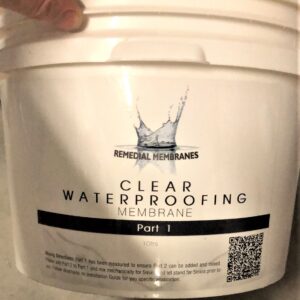
The 2-part polyurethane clear waterproofing kit is designed to go on top of tiles. For preparation, surface areas to be waterproofed should be cleaned. Then, grout and silicone are applied. Lastly, the clear waterproofing membrane . 

  1. Crack Repair and Resin Injection –

Any concrete structures normally have visible cracks, which can give way for water entry. Once this happens, the property’s structural integrity can be at risk. The common solution in this case is resin injections. It is a process that involves high-pressure injections of epoxy or activated polyurethane on the cracked area. Packers and epoxy adhesives are commonly used in this case.

To repair cracks or structural damage, injection that uses epoxy and polyurethane-based membranes is effective. For cracks that need structural repair and the crack area needs reinforcement, an epoxy-based product is most recommended. Meanwhile, for the cracks in which repair is needed to stop leaks, the polyurethane-based solution is the best.

remedial waterproofing by itilent, darwin, au

Maintenance Checks

Regular maintenance checks are important to prevent any property damages. They are also important to preserve a property’s structural integrity and value. These checks will give you an idea if you need this maintenance.

Below are the areas that are commonly included in the checks:

  • Mould
  • Rusted door frames
  • No Drainage on shower floor
  • Dampness
  • Bathroom grouts/silicone
  • Balconies
  • Living space (particularly if they are near any water source)


Work with Waterproofing Experts

Waterproofing projects need adequate expertise to implement it the best way possible. We understand the budget concerns when these tasks are carried out. But in most cases, if you try to do it yourself because you think it will cost you less, it may actually cost you more.

The most certain way you can get your project done is to let the experts do their work. In Darwin, you can trust iTile Bathrooms NT to do this for you. You are sure to hire trusted people with years of proven experiences in this kind of work. Give us a call at +61 0400 729 303 or contact us and let’s help you the soonest.